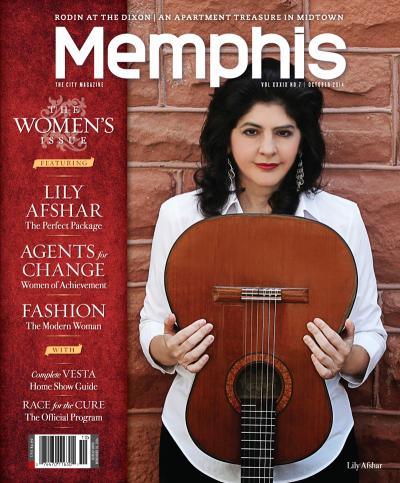
The playing throughout is stylish and secure …in this classy inning(s) from Lily Afshar.
Classical Guitar Magazine
2015
Afshar radiates calm serenity as she makes her instrument sing like few others on the planet. Bach on Fire will win over even the hardest of skeptics.
WomenArts Quarterly Journal
Volume 4, Issue 4, 2015
Afshar brings out the underlying dance feel to the music, giving it a fluidity, litheness and infectious bounce.
Planet Hugill
September 2014
Read the full review →
Lily also manages to really capture the warmth and depth of the cello, with very clear lines (so important in Bach), and making the music sound as if the guitar is its natural home.
CLASSICAL GUITAR N STUFF
May 2014
Read the full review →
A first class addition to the Afshar catalogue...in terms of quality control, Afshar maintains the highest standards, always generating upmarket fare and often with a sizeable dose of original thought.
Classical Guitar Magazine
March 2014
Read the full review →
Lily Afshar was mesmeric and had the audience literally humming along.
Planet Hugill
November 2013
Read the full review →
She has, at every possible opportunity, gone for cross string fingerings. This makes for fascinating playing...the end result is fascinating. It really does give the pieces a new lease of life.
Classical Guitar Magazine
November 2013
Read the full review →
More mesmerizing was her guitar performance—it was emotional, dramatic, and yet flawless.
Moch Blog
April 2013
Read the full review →
There are some very virtuosic moments and Afshar handles them with ease and style.
this is classical guitar
2013
Read the full review →
Always highly musical, her tremolo is particularly noteworthy, impressively fluid and even.
Santa Ynez Valley Journal, CA
2011
Read the full review →
Lily Afshar has crafted an album that not only marks her as an artist to watch but also expands the horizons of any guitar aficionado who hears it.
Barnes & Noble
2009
Read the full review →
Afshar is one of the world’s leading classical guitarists, with remarkable innovations furthering the influence of the instrument.
Iranian.com
2009
Read the full review →
This is playing of the highest order and her genuine respect for the music shines through every piece.
Classical Guitar Magazine
May 2009
Read the full review →
Stunning virtuosity. Without any doubt, Afshar ranks in the top among today's classically trained guitarists...
Deseret Morning News
February 23, 2008
Read the full review →
A delicious blend of Eastern and Western flavors.
Salt Lake Tribune
February 23, 2008
Read the full review →
An exotic mix... She plays music by composers most of us have never heard of and creates sounds that hearken back to Sheherezade and the Arabian Nights...
Minnesota Public Radio
January 2008
Read the full review →
Striking... further proof that there's more to the world of classical guitar writing than the usual Spanish suspects..."
St. Louis Post-Dispatch
January 28, 2008
Read the full review →
Classical guitarist Lily Afshar strikes the best balance yet between heritage and innovation on this new album..."
American Record Guide
September/October 2007
Read the full review →
She plays every song with intense emotion.
Williams Record
February 2007
Read the full review →
Draws together the seemingly disparate spheres of classical guitar and world music... An endlessly rewarding release from one of the 21st century guitar's most individual and creative figures...
Classical Guitar Magazine
February 2007
Read the full review →
One of the most sublime solo guitar experiences around.
Global Rhythm Magazine
2006
Read the full review →
Tehran-born Lily Afshar is a whoosh of fresh air in the sometimes fusty classical guitar world...
UTNE Reader
2006
Read the full review →
A fascinating collection of classical guitar pieces drawing on a wide variety of world music traditions...
CD Hotlist
2006
Read the full review →
Lily Afshar has brought us a multicolored recital, a richly inventive journey through diverse musical landscapes...
Fanfare Magazine
2006
Read the full review →
The first thing that struck me was the glorious, warm and deep sound that Lily Afshar can produce with her guitar...
UHF Magazine
2006
Read the full review →
Exotic... superbly crafted repertoire.
Classicalsource
2006
Read the full review →
Lily Afshar is a Guitar Goddess...
One Way Magazine
August/September 2006
Read the full review →
Afshar’s fluent technique boasts a seamless legato, strong projection, rhythmic precision and a broad tonal palette, all tempered by a free, improvisatory style
Classical Source
2005
Read the full review →
Lily Afshar's Guitar recital at the Wigmore Hall provided an extremely well thought-out and fresh sense of programming
Musical Opinion
2005
Read the full review →
Afshar's classical guitar casts a beautiful spell...
Cincinnati Enquirer
2004
Read the full review →
The recorded sound is among the best I've ever heard - it is totally natural, as if there were absolutely no barrier between this virtuoso player with a great instrument and the listener.
CVNC
August 2002
Read the full review →
Apollonian refinement...
The Guitar Foundation of America Soundboard
2002
Read the full review →
A guitarist of the highest order...
Classical Guitar
2002
A refreshing recording... the music is evocative and the performances passionate...
Guitarra Magazine
2002
Read the full review →
Utterly at one with the guitar...
The Press, Christchurch, New Zealand
2002
Read the full review →
Her tone is sonorous, her technique solid...
American Record Guide
2002
Read the full review →
Afshar is a player with astonishing breadth, and her skill makes "Possession" a worthy addition to any CD collection.
The Hartford Courant
2002
Read the full review →
Upon first hearing Possession, one is stricken by Afshar's absolutely flawless technique. Subsequent listenings reveal the depth of her passion as, like a fine actor, she infuses each performance with a pure emotional intensity that audience's can't help but feel.
The Hull Times
2002
Read the full review →
Her most impressive play yet... challenging joyride of a record...
Commercial Appeal, Memphis
2002
Read the full review →
A masterful player, with the full range of guitar's musical capability at her fingertips...
Illinois Times
2002
Read the full review →
Wide range of effects and nuance, expertly exploring Domeniconi's evocative catalog of tonal color, harmonic texture and modal melody...technical brilliance... exquisitely shaped phrases...
Winston-Salem Journal
1999
Read the full review →
A sensitive and passionate performance...
Winston-Salem Journal
1999
Read the full review →
Wonderfully inventive, witty and sophisticated...splendid command of a broad palette of tone colors, a lovely sense of line, a good ear for balance, and in her remarks, a scholarly bent that informed the entire program.
Washington Post
1997
Read the full review →
The session ended with a superb lecture-recital by Lily Afshar, whose research on Tedesco's Caprichos de Goya has made her a world authority on this neglected work. Dr. Afshar is a prime example of the performing academic- and elite breed of guitarist whose playing is every bit as impressive as her qualifications.
Paul Fowles, Classical Guitar, England
1995
Read the full review →
This performance is an unequivocal success...
Jim Tosone, Guitar Review
1994
Read the full review →
Afshar dazzles... brought tremendous facility, tone, color, dynamics and sense of phrasing to some of the most intellectually demanding works in the guitar repertoire... the playing was at once enchanting and exciting.
The Rosette Orange County Guitar Circle
1994
Read the full review →
Delightful... solid and sensitive, adventurous and effective (programming),... her didactic presentation was a model of the genre.
The Guitar Foundation of America Soundboard
1993
Read the full review →
stellar performance... extraordinary technical competence... boundless musicality... Dr. Afshar inhabited the piece (Invocation & Dance), showing us a full-dimensional competence that eludes but a vey few guitarists in the world today... freshness and mature passion... She is a jewel...
Idaho Classical Guitar Society
1991
Read the full review →
Bright future...her playing showed remarkable consistency in terms of musicality, finesse and thoughtfulness, a combination that escapes many performers except on the best nights... Impeccable execution... auspicious debut.
The Washington Post
1989
Read the full review →
Vast technique... revealed the beauty and durability of her craftsmanship.
The Commercial Appeal
1989
Read the full review →
Bold and brilliant...exhibited a keen sense of style in Sor's Introduction and Variations on a Theme of the "Magic Flute" by Mozart... the audience hung on every note... made full use of the expressive and coloristic capabilities of her instrument..."
The Alabama Journal
1988
Read the full review →
Exquisite classical guitar concert... great facility... apparent ease... held her audience in rapt attention throughout... few concerts have the poise, discipline, and artistry displayed in this one.
The Montgomery Advertiser
1988
Read the full review →
Established herself as a master guitarist... sensitive musician... brilliant and superlative artistry... apparent ease... unquestionable command of intricate and difficult passages... passionate intensity... the audience sat spellbound... a wizard of guitar technique
The Guitar Foundation of America Soundboard
1986
(It is) my prediction that she will be a beautiful celebrity.
Andres Segovia
1986
Read the full review →